
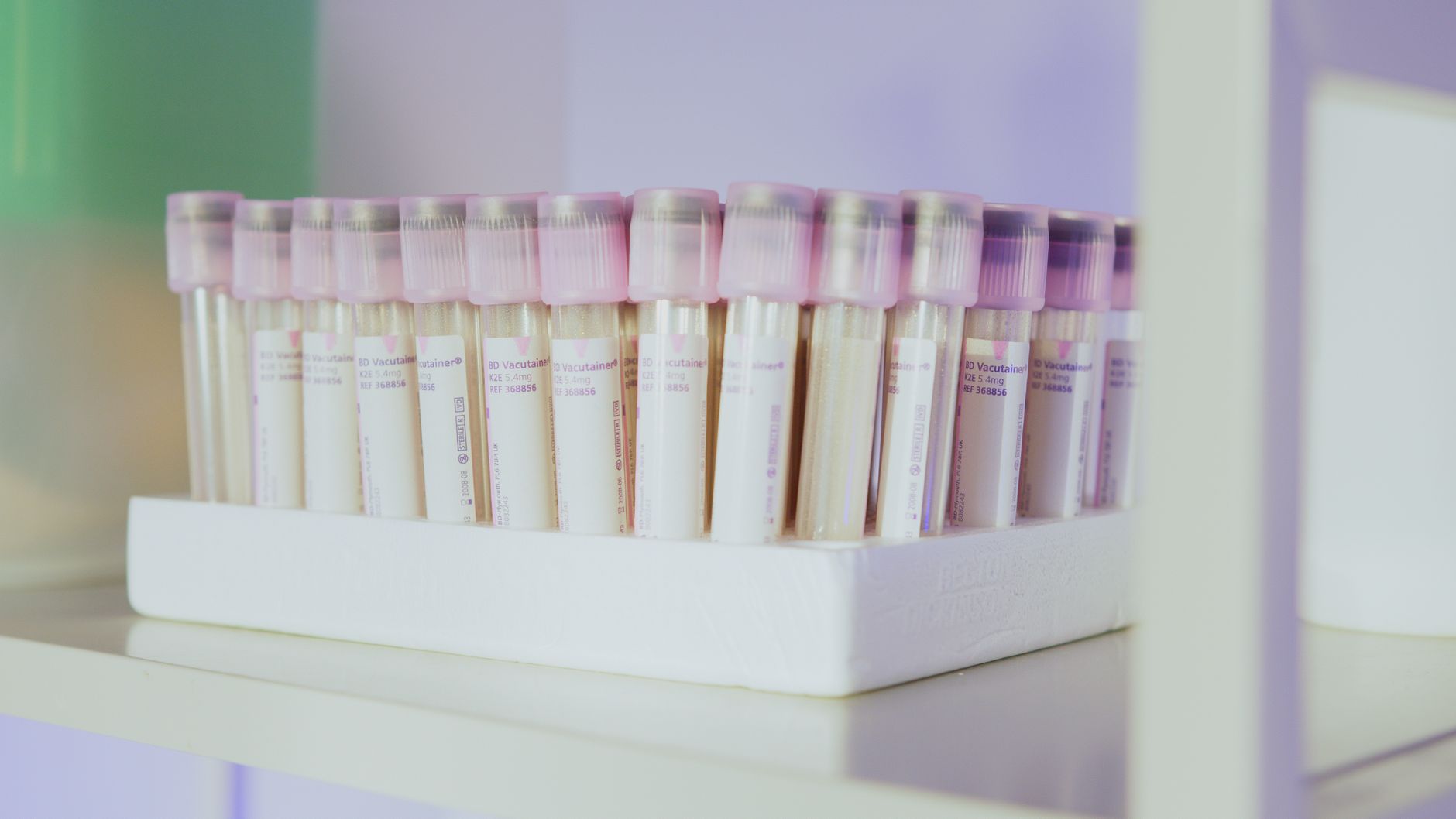
Rapid molecular diagnostics are poised to change how hospitals treat infections, according to a recent interview with experts from Cepheid and the Fleming Initiative.
New study aims to cut detection time for carbapenem‑resistant bacteria
Anne Beaubrun, PhD, vice president of Value and Access at Cepheid, and Amish Acharya, PhD, MBBS, executive director of the Fleming Initiative, discussed the TRACE‑CPE project, a collaboration that will compare a rapid PCR test with conventional culture for identifying carbapenemase‑producing Enterobacterales (CPE). Between October 2020 and March 2025, England recorded 22,237 acquired CPE episodes according to the UK Health Security Agency.
Current culture methods can take up to 48 hours to reveal colonization. TRACE‑CPE hopes to deliver results in about an hour, allowing infection‑control teams to act sooner. Researchers will track patient movement, model transmission, and assess health‑economic impacts, seeking evidence that earlier detection reduces spread and improves antimicrobial stewardship.
Related: ProMIS Alzheimer’s Antibody Shows Promising Early Results
In the United States, more than 12,700 CPE infections occur each year, and the NDM‑CRE strain has risen by over 460 % since 2019. These bacteria resist carbapenems, a class of antibiotics often reserved for the most serious infections. Faster identification could help clinicians avoid empirical therapy that may be ineffective against such resistant organisms.
Implementation challenges extend beyond the technology
Implementation science, health‑economics, and workflow integration are as important as diagnostic accuracy. Hospitals must demonstrate that a new test improves outcomes while fitting within existing financial and operational constraints.
The test runs in an hour.
Related: Artificial sweeteners linked to heart risks
When a patient tests positive for CPE, clinicians can adjust antimicrobial therapy immediately, opting for agents that bypass the resistance mechanism or avoiding unnecessary broad‑spectrum antibiotics. This early intervention strengthens stewardship programs and may reduce the selection pressure that drives further resistance.
Electronic health records (EHRs) also play a vital role. In the past, microbiology results traveled by phone or handwritten notes, delaying response. Today, laboratory data appear directly in the EHR, triggering alerts that inform both prescribers and infection‑control teams. Rapid diagnostics must feed into these digital pathways to realize their full potential.
Acharya emphasized that patient involvement has grown. Informed patients ask detailed questions about their care, creating a need for clear communication about what diagnostic results mean and how they affect treatment plans.
Related: Orcas smash giant sunfish into pieces
The study will also explore patient acceptability of screening, recognizing that any surveillance program carries implications for individual privacy and comfort. Understanding these factors will help shape policies that balance public health benefits with personal rights.
Although the TRACE‑CPE trial is limited to the UK, the researchers argue that the biology of resistance does not change across borders. Findings on the impact of earlier detection and workflow integration can inform strategies in the United States and elsewhere, where payment models differ but the core challenge—containing resistant organisms—remains the same.
Ultimately, the success of rapid molecular diagnostics will depend on generating robust evidence that they improve outcomes, fit within existing clinical processes, and deliver economic value. If the study confirms that a one‑hour test can meaningfully curb transmission, it could pave the way for broader adoption, moving the field closer to the goal of pairing every antibiotic prescription with an appropriate diagnostic by 2030.


Leave a Reply