
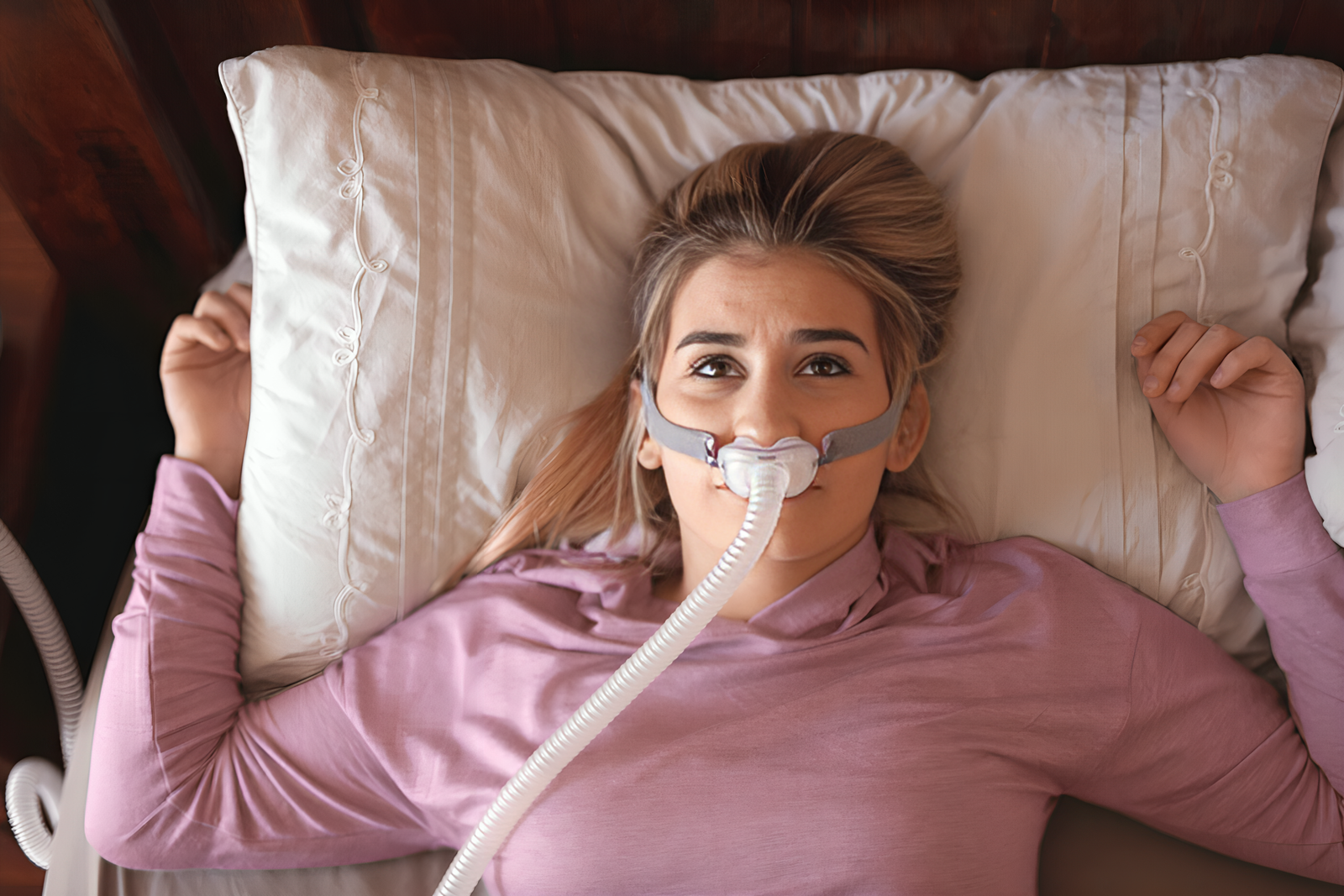
The sensation of persistent jaw tightness upon waking, or a sense of fatigue that lingers long after you have supposedly finished your night’s rest, can be deeply unsettling. Many individuals encounter these sensations, often dismissing them as temporary stress or the result of a long day. However, when these experiences become a recurring part of the week, they may indicate underlying concerns involving the jaw, the facial muscles, or the mechanics of breathing during sleep. Navigating these overlapping health issues can feel daunting, but identifying the right support is a meaningful step toward improvement.
Why Identifying the Root Cause of Facial Discomfort Is Often Complex
Discomfort in the jaw and face rarely stems from a single source. The anatomy of the head and neck is remarkably intricate, involving a complex interplay of joints, muscles, nerves, and airways. When someone experiences persistent orofacial pain, it is often a signal that this delicate balance has been disrupted.
One of the primary challenges in addressing these concerns is the tendency to treat them as isolated problems. A person might seek help for tension headaches, then later look for a solution for persistent grinding of the teeth, without realizing these symptoms often share a common origin. Because of this connectivity, it is helpful to consult with an orofacial pain specialist who approaches these symptoms by looking at the entire system rather than just the most prominent area of discomfort. By evaluating how the jaw joint interacts with the surrounding musculature and the upper airway, a practitioner can better discern whether the issue is primarily muscular, structural, or related to sleep-related breathing disturbances.
How Sleep Patterns and Jaw Health Generally Interconnect
The relationship between the way we breathe at night and the health of our jaw is a subject of growing interest in clinical settings. When the muscles of the throat or the position of the tongue interfere with normal airflow during sleep, it can trigger a range of physiological responses. One of the body’s reflexive reactions to restricted breathing is to shift the jaw or clench the teeth in an attempt to stabilize the airway.
This reflex can lead to a condition where, night after night, the jaw muscles are put under repetitive, intense pressure. Over time, this may contribute to the development of pain in the jaw joint or surrounding facial tissues. If you are struggling with unexplained morning stiffness or a sense of exhaustion, connecting with sleep apnea doctors can provide clarity on whether these symptoms are linked to your breathing patterns. These professionals can help determine if a sleep study is appropriate and discuss how airway health might be influencing your overall comfort.
Key Factors That Shape Effective Treatment Outcomes
When considering how to address these health concerns, the most effective outcomes typically stem from a comprehensive, personalized strategy. There is rarely a one-size-fits-all solution, as the contributing factors for each person vary significantly.
When meeting with a healthcare provider, consider the following elements that often influence the direction of care:
- Holistic Evaluation: An effective assessment often includes a review of posture, jaw movement patterns, and, when applicable, the quality of your sleep. Understanding the full picture helps in crafting a plan that targets the cause rather than just the symptoms.
- Integrated Care: Because orofacial and sleep issues touch on multiple areas of health, success often involves collaboration. A professional might suggest working alongside a physical therapist to manage muscle tension or coordinating with other specialists to ensure the treatment plan is balanced.
- Patient Engagement: You are a critical partner in your own care. Monitoring your symptoms, observing the effectiveness of suggested changes, and providing consistent feedback to your provider are essential for adjusting your plan as you progress.
- Realistic Expectations: Changes in chronic patterns often take time. Many treatments for jaw health or sleep disturbances involve gradual improvements, and consistent adherence to the recommended strategies is typically the most reliable way to achieve sustainable results.
Practical Ways to Approach Your Search for Support
If you have decided it is time to seek professional guidance, the process of finding the right help can be broken down into manageable steps. The goal is to move from uncertainty toward a clear, actionable plan.
Start by gathering information about your specific symptoms. Keep a brief, informal log of when you feel the most discomfort, what your sleep feels like, and whether you notice any habits like clenching or tension during the day. This information is invaluable when you visit an orofacial pain specialist for an initial consultation. Being able to describe the frequency and nature of your symptoms helps the practitioner understand the scope of the concern more quickly.
When searching for sleep apnea doctors, look for providers who emphasize a thorough diagnostic process. A thoughtful provider will likely ask you to describe your daytime alertness, your nighttime habits, and your general medical history before proposing any specific interventions. Do not hesitate to ask questions about their diagnostic process, their experience with patients who have similar symptoms, and how they coordinate care with other healthcare professionals.
Finally, consider the importance of communication. A good partnership with a health professional is built on transparency. They should be willing to explain the rationale behind their recommendations and be open to discussing alternative approaches if the initial treatment does not yield the results you were hoping for. If you are in a specific region, such as looking for orofacial pain specialist near me or seeking sleep apnea doctors near me, prioritize providers who offer clear, detailed information about their practice philosophy and the range of services they provide.
Addressing these concerns is a process of learning to listen to your body’s signals and finding the right expertise to interpret them. By taking a proactive, informed approach, you can better understand what your body needs to find relief and improve your overall well-being. Focusing on a collaborative relationship with your providers is typically the most effective path toward long-term comfort.


Leave a Reply