
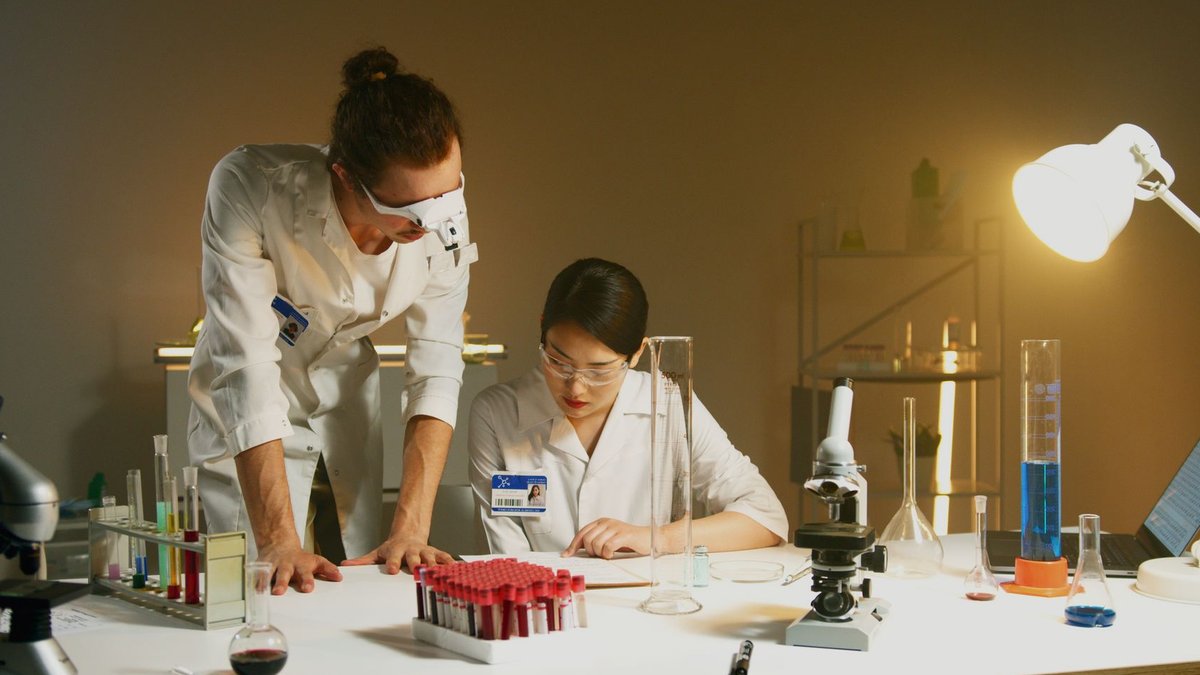
A new experimental drug has demonstrated potential for reversing damage linked to systemic sclerosis, a rare and often deadly autoimmune disorder. The findings, published in JCI Insight by researchers at Cedars-Sinai Health Sciences University, show that TY1, a synthetic noncoding RNA molecule, reduced inflammation, DNA damage, and organ scarring in controlled experiments. This marks the first therapy to directly address the immune pathway responsible for driving the disease.
Systemic sclerosis, commonly referred to as scleroderma, causes skin thickening and progressive damage to internal organs, particularly the lungs and heart. Approximately 100,000 Americans are affected by the condition, yet no cure exists, and available treatments primarily manage symptoms. The study represents a breakthrough by targeting the cGAS/STING pathway, a critical mechanism in inflammation and fibrosis.
In laboratory tests, investigators applied TY1 to immune cells taken from patients with systemic sclerosis. The drug successfully inhibited the pathway, limiting the inflammatory response. Further testing in mice with induced systemic sclerosis showed improved heart function, reduced fibrosis, and restored mobility. These results suggest the drug’s ability to mitigate organ damage across multiple systems.
Originally designed to address heart damage following cardiac events, TY1 was later repurposed for autoimmune conditions due to its mechanism. “This innovative study illustrates how doing careful research on one disease can lead to key discoveries on another, in this case, from conditions that can stiffen the heart to scleroderma, a rare disease that hardens the skin and internal organs in patients who have waited decades for better treatment options,” said Ahmed Ibrahim, PhD, associate professor of Cardiology at Cedars-Sinai and a co-investigator of the study.
Cedars-Sinai is now advancing toward human trials by preparing an investigational new drug application for submission to the FDA. The research shows how discoveries in one medical field, such as heart disease, can yield unexpected benefits for unrelated conditions. This cross-disciplinary potential could accelerate progress in treating autoimmune disorders.
The drug’s success in reversing fibrosis in multiple organ systems aligns with the disease’s most defining feature. Led by Eduardo Marbán, executive director of the Smidt Heart Institute, the team emphasized the study’s significance given the historical lack of therapeutic options. “That’s why we are so excited about our findings,” said Marbán. “The basic immune system pathway driving systemic sclerosis is blocked by this new drug, making it a potential future therapy.”


Leave a Reply