
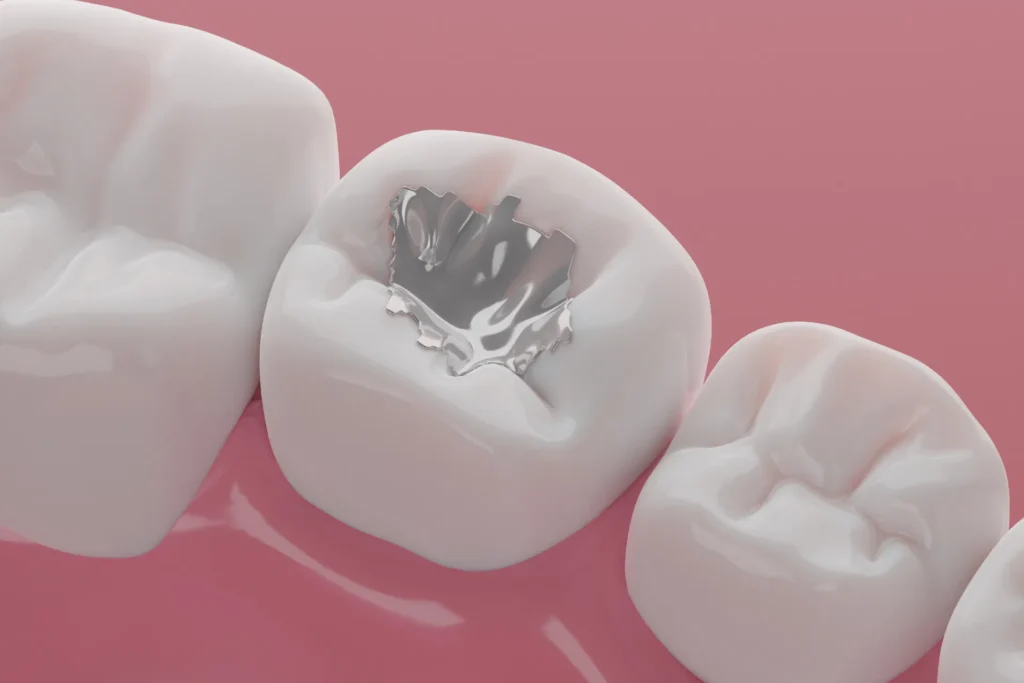
Many people assume that a dental crown in Fargo is simply a cosmetic fix or a last-resort procedure for a tooth that is already beyond salvation. This is a common misconception that tends to oversimplify how restorative dentistry functions. In reality, a crown serves as a structural shield, designed to preserve the integrity of a tooth that has been compromised by extensive decay, fracture, or wear. Thinking about these restorations as purely restorative, rather than just cosmetic, provides a much clearer perspective on why they are frequently recommended.
Why Restorative Dentistry Focuses on Structural Preservation
A common assumption among patients is that a tooth can be filled or repaired indefinitely as long as it does not cause immediate pain. However, dental tissue does not have the capacity to heal itself in the same way skin or bone does. When a significant portion of the tooth structure is lost—whether through a large cavity, a crack, or previous dental work—the remaining natural tooth often becomes brittle.
The reality is that a tooth with a deep filling is often structurally vulnerable. If the filling is too large, the remaining walls of the tooth may flex under the pressure of daily chewing. Over time, this constant micro-movement can lead to fractures that extend below the gum line. A well-placed dental crown in Fargo acts as a protective cover, encircling the remaining tooth structure and distributing biting forces more evenly across the entire surface. This mechanism is what allows a compromised tooth to remain functional for many years, rather than risking a catastrophic fracture that might necessitate an extraction.
What Factors Actually Matter for Treatment Success
When seeking a dentist in Fargo, patients often focus primarily on the appearance of the crown or the speed of the appointment. While aesthetics are important, the long-term success of a crown depends on far more foundational elements, such as the precision of the fit, the health of the underlying tooth, and the patient’s commitment to ongoing maintenance.
A high-quality restoration requires an accurate assessment of the tooth’s current condition. Before any crown is placed, a provider typically evaluates the surrounding gum health and the integrity of the root. If there is underlying inflammation or deep-seated decay, placing a crown without addressing those issues first can lead to problems later. Patients who ask their provider about the diagnostic process—such as how they evaluate the depth of a fracture or the status of the nerve—often feel more confident in the treatment plan. It is also important to consider the material used for the restoration. Different materials have different trade-offs regarding durability, flexibility, and how they interact with the opposing teeth in the bite.
How to Discern Quality and Approach in Practice
Determining the right path forward often involves looking for signs of a thorough, patient-centered approach. A thoughtful dentist in Fargo will typically emphasize transparency during the consultation phase. They should be able to explain exactly why a crown is being recommended, what the alternative options might be, and how the chosen material will function within the context of your specific bite and habits.
A professional evaluation should feel methodical. It may include detailed imaging or a review of your dental history to see if previous work has caused recurrent issues. If a provider seems to rush the planning stage or focuses heavily on the speed of the final result rather than the structural prep-work, it is reasonable to ask more questions. A clear, well-communicated plan that addresses the “why” behind the procedure is often a strong indicator of a practice that prioritizes durable, conservative dentistry over quick-fix solutions.
Reframing the Role of Restorative Care in Daily Life
Instead of viewing a crown as a sign of failure or an inevitable part of aging, it is more accurate to view it as a proactive investment in a functional smile. The primary goal of any dental crown in Fargo is to keep the natural tooth structure in place for as long as possible. By providing a stable, protective environment, these restorations help maintain proper alignment in the mouth and prevent the chain reaction of shifting teeth that can occur if a tooth is lost.
Ultimately, the most successful patients are those who look at their dental health as a collaboration with their chosen dentist in Fargo. By focusing on early identification of structural weaknesses—rather than waiting for a painful break to occur—residents can address concerns before they escalate into more intensive treatments. Keeping the focus on long-term stability and structural health ensures that you are not just repairing a problem, but preserving the overall function of your smile for the future.


Leave a Reply