
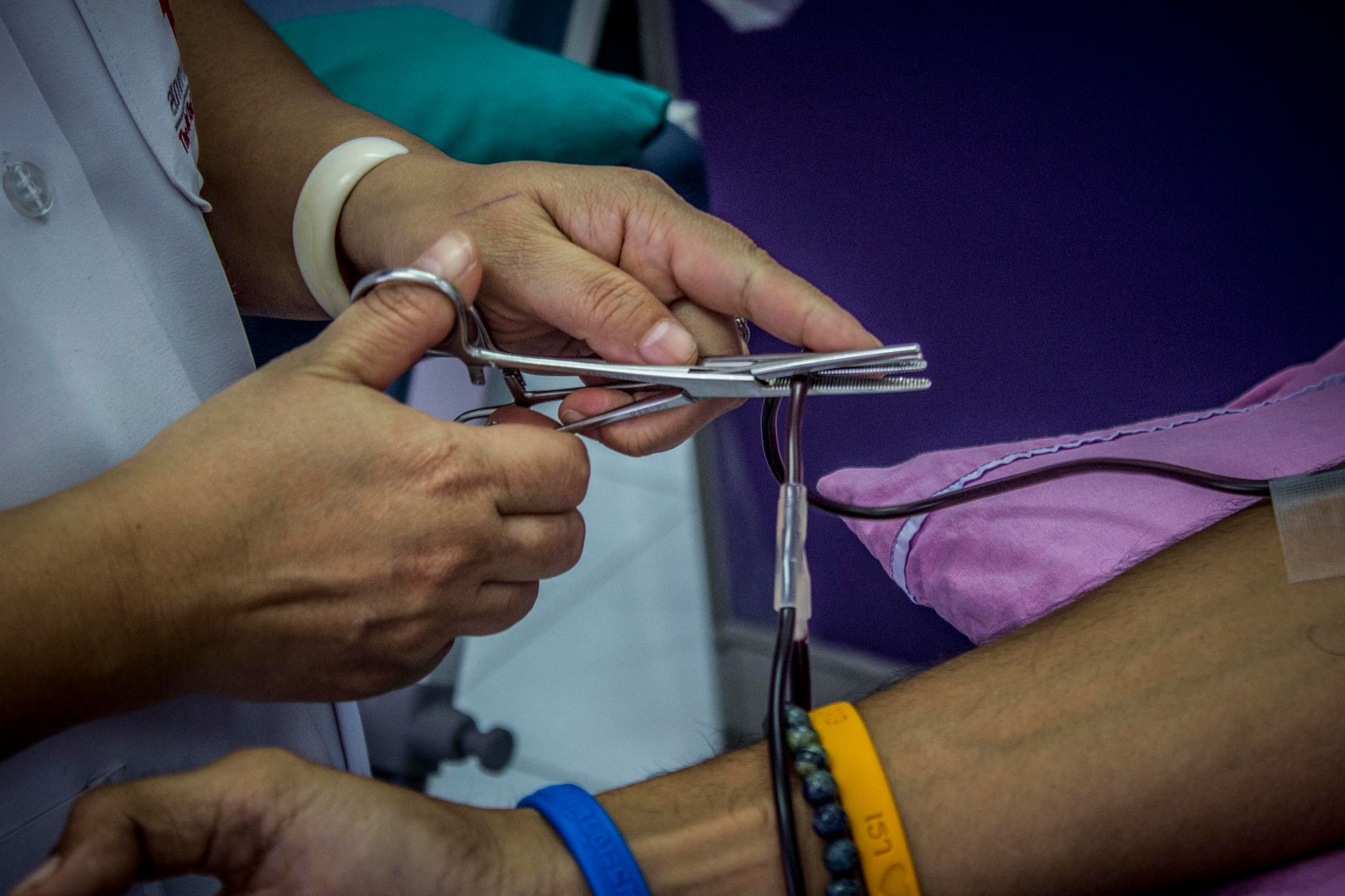
Therapeutic apheresis, a blood‑cleansing technique traditionally used to lower harmful lipoproteins and immune factors, may also cut levels of persistent pollutants such as per‑and polyfluoroalkyl substances (PFAS) and micro‑and nanoplastics (MNPs), a preliminary study reports.
Study shows reductions in circulating pollutants
Researchers at Technische Universität Dresden examined patients undergoing double filtration plasmapheresis (DFPP) or adsorption‑based apheresis. Blood passed through specialized membranes that trap toxin‑lipoprotein complexes. After treatment, participants displayed measurable declines in PFAS and MNP signals, although the extent of reduction differed among individuals and between contaminant types.
The authors explain that PFAS and plastic particles tend to adhere to lipoproteins and plasma proteins, forming larger “corona” structures. Those complexes can be captured by size‑exclusion filters or adsorbers, effectively removing them from circulation. By doing so, the procedure may lower systemic exposure while also diminishing inflammatory biomarkers and harmful lipids.
Potential advantages over conventional plasma exchange
Standard therapeutic plasma exchange usually requires replacement with donor plasma or albumin, which can introduce additional contaminants or inflammatory molecules. DFPP and adsorption systems avoid this step, making them theoretically more selective for environmental detoxification. The study notes that therapeutic apheresis is already regarded as safe when performed at experienced centers, with most adverse events limited to transient low blood pressure, fatigue, nausea, or citrate‑related symptoms.
Measuring micro‑and nanoplastics remains technically difficult. No single analytical method can fully capture the wide spectrum of particle sizes and polymer types present in human blood. This limitation contributed to the study’s reliance on indirect signals rather than precise quantification.
Results were promising.
Next steps and remaining questions
The investigators stress that their work is exploratory, involving a small, heterogeneous cohort. Larger prospective trials will be needed to determine whether the observed reductions translate into tangible health improvements, such as lower cardiovascular risk or decreased endocrine disruption. Future research will also explore more selective adsorption technologies that could enhance removal of toxin‑protein complexes and other inflammatory components.
Should subsequent studies confirm efficacy, therapeutic apheresis could expand beyond its current cardiovascular and autoimmune uses. It might become part of a precision‑medicine platform for patients with specific environmental toxin exposures, chronic inflammatory conditions, or diseases where circulating pathogenic molecules play a central role.


Leave a Reply