
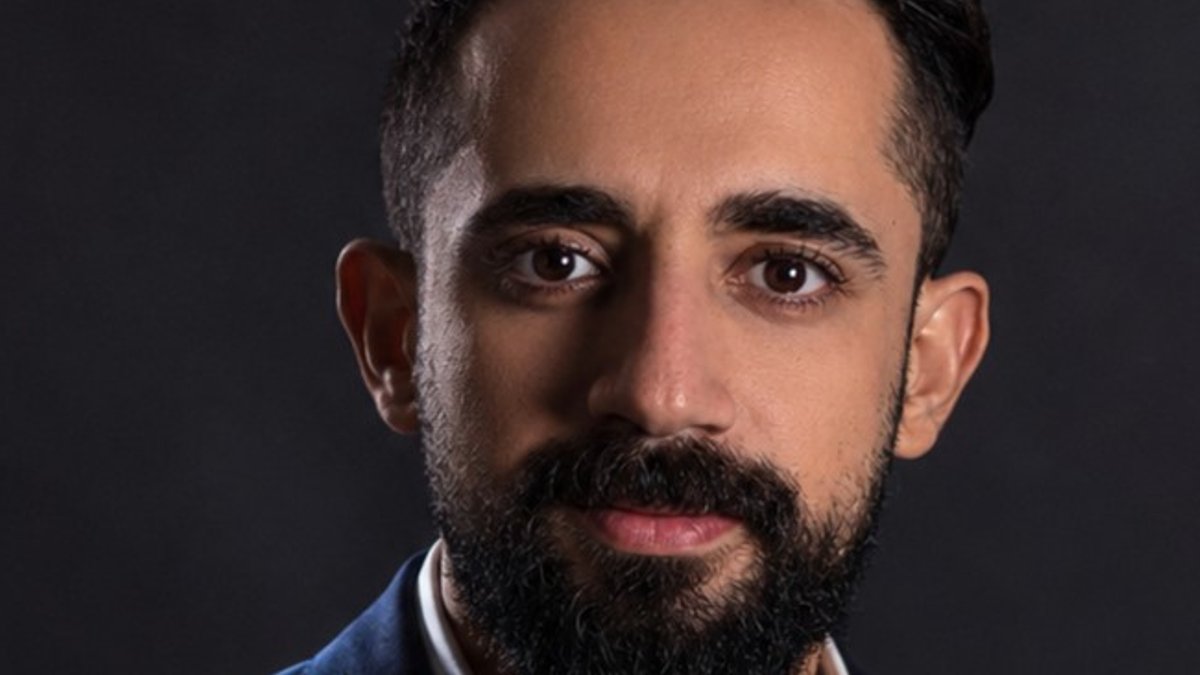
These issues include reversed opening-hours ranges, lost phone numbers, rejected Arabic names, and untranslated error messages. Abdelaziz outlines the technical causes and provides fixes, along with a ten-minute test for clinics to check their own booking pages.
Silent defects in bilingual booking forms
These defects are costly because they don’t trigger errors or support tickets. Patients encounter confusing information, like illogical opening hours or cleared form fields, and simply leave. Clinics, unaware of the issue, attribute the lack of bookings to other factors, such as pricing or competition.
One issue arises from the Unicode Bidirectional Algorithm used in right-to-left text. This can cause time ranges to appear backwards on Arabic pages, making it seem like a clinic opens at 5:00 PM and closes at 9:00 AM. The fix involves isolating the time range from its surroundings using specific HTML elements or Unicode characters.
Phone numbers and name validation issues
Another problem occurs with phone numbers entered using Arabic-Indic digits. Many systems sanitize input by removing non-ASCII characters, effectively deleting these numbers. This results in lost bookings and no-shows because clinics cannot contact patients. The solution requires normalizing digits on input and validating the normalized value.
Name validation poses another challenge. Forms often reject Arabic names due to validation rules based on the Latin alphabet. Additionally, length limits designed for Western names can truncate Arabic full names, which typically include four parts. Clinics should validate names based on actual requirements and test with real Arabic names.
Error messages that default to English further confuse Arabic-speaking patients. When translation keys are missing, the system falls back to English, creating a language mismatch that compounds other issues. Ensuring complete translation coverage is essential to avoid this.
Read Also: UAE Transplant Program Integrates Donation to Lifelong Care
A simple ten-minute test can help clinics identify these issues. Addressing these defects ensures a smooth booking experience for Arabic-speaking patients.
Impact on patient experience
For example, a patient in Dubai might see opening hours listed as 5:00 PM to 9:00 AM, which makes no sense. They may assume the clinic is closed or that the website has an error, leading them to seek alternatives.
Technical solutions and testing methods
To address these issues, clinics must implement technical solutions that account for Arabic text and data entry specifics. This includes normalizing Arabic-Indic digits to ASCII, validating names based on actual requirements, and ensuring complete translation coverage for error messages.
The company’s website, www.scaanme.com, offers more information on their services and expertise in building bilingual public-facing web systems. With their help, organizations can create effective and user-friendly bilingual booking systems tailored to Arabic-speaking patients.
Quality Assurance and Testing Challenges
Quality assurance often fails to detect these issues because automated tests focus on values, not their display order, allowing reversed hours to pass unnoticed. Tests using ASCII digits succeed for phone numbers since they mimic Latin keyboard input, while fixtures with names like “Test User” pass validation without reflecting real-world Arabic names. Translation coverage metrics, based on keys holding values, count English strings as covered, even if they remain untranslated for Arabic users.
These issues persist in confirmation emails and SMS, as string handling in these separate code paths often goes untested. A ten-minute test can identify problems, with a positive result for phone number issues warranting immediate escalation.


Leave a Reply