
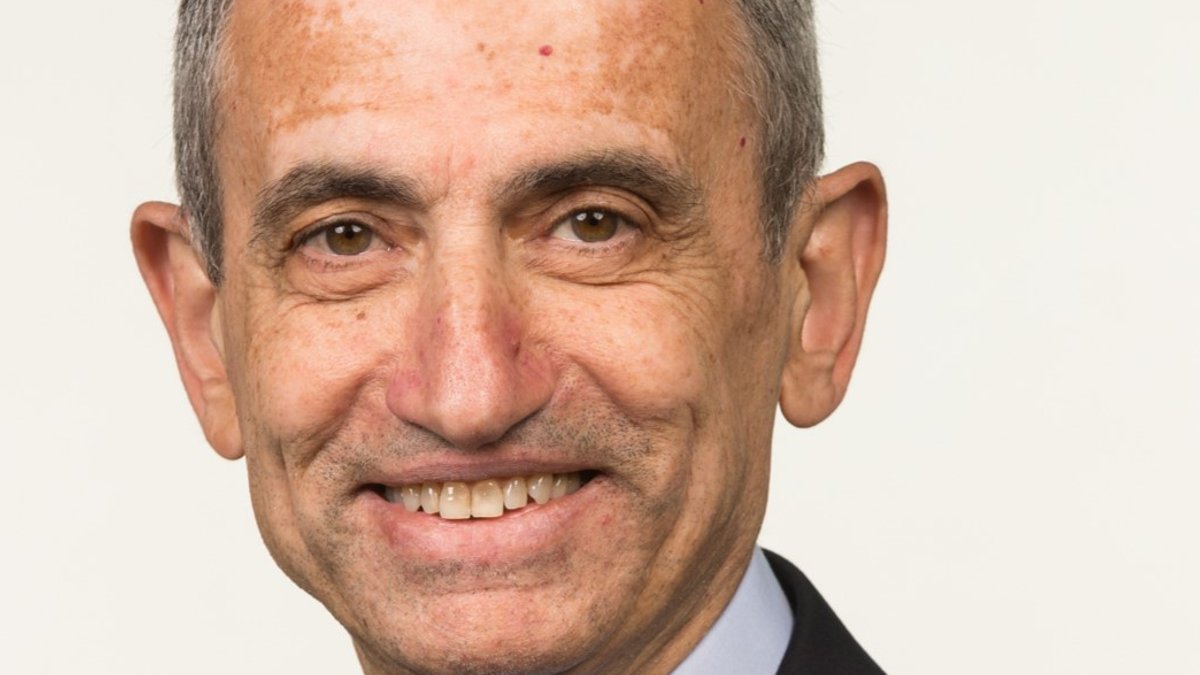
The UAE’s transplantation program is developing from isolated procedures into a fully integrated system that spans donation, clinical care, and lifelong patient support. According to Dr. Bashir Sankari, director of urology at Cleveland Clinic Abu Dhabi, the success of an organ transplant depends on much more than the surgery itself. It begins with community awareness, donor registration, clinical expertise, advanced technology, and coordinated care that extends throughout a patient’s life.
The Foundation: Donation and Awareness
The process begins with the decision to donate. Hayat, the National Program for Donation and Transplantation of Human Organs and Tissues, has established a framework for organ donation and transplantation in the UAE. Specialist programs have also expanded the country’s ability to care for patients with complex organ failure.
Public awareness and trust are essential for growing the national donor registry. People need clear information about how the donation system operates and the impact of registering as a donor. Clinical capability alone cannot create a successful transplant system; donor registration must grow alongside it.
Clinical Expertise and Integrated Care
For recipients, transplantation is not a single intervention. The clinical journey begins with extensive multidisciplinary assessment before surgery, followed by careful monitoring for rejection and infection, medication management, rehabilitation, and ongoing health management.
Surgeons, physicians, nurses, transplant coordinators, pharmacists, and rehabilitation specialists must work as one integrated team. The importance of this model becomes evident after transplantation, when maintaining organ health may require years of careful follow-up.
Technology and Local Capacity
Advances in robotic-assisted transplantation demonstrate how surgical innovation can support complex procedures while reducing patient burden. Robotic approaches are less invasive and enable greater precision, potentially reducing bleeding and the overall impact of major surgery. However, innovation should be judged by whether it improves safety, recovery, and long-term outcomes.
Developing complex care locally helps retain healthcare investment in the nation while building specialist expertise, infrastructure, and research capability. Over time, these capabilities could strengthen the country’s role as a regional destination for patients requiring specialized, multidisciplinary transplant care.
Building a Sustainable System
Developing transplant capacity differs from building a transplant system. Capacity refers to whether an operation can be performed; a system ensures patients move effectively through diagnosis, donor matching, surgery, recovery, and lifelong follow-up. The UAE now has an opportunity to focus on this broader system.
The future of transplantation in the country should be measured by system strength—not just procedure numbers or complexity. Key metrics include public awareness, donor registration, clinical expertise, responsible technology adoption, lifelong patient support, and investment in professionals and research. Connecting these elements will improve individual outcomes and create a system capable of serving the UAE and the region for generations.
For those considering organ donation, the Hayat National Program offers information, answers to common questions, and registration options through the Ministry of Health and Prevention’s official channels.


Leave a Reply