
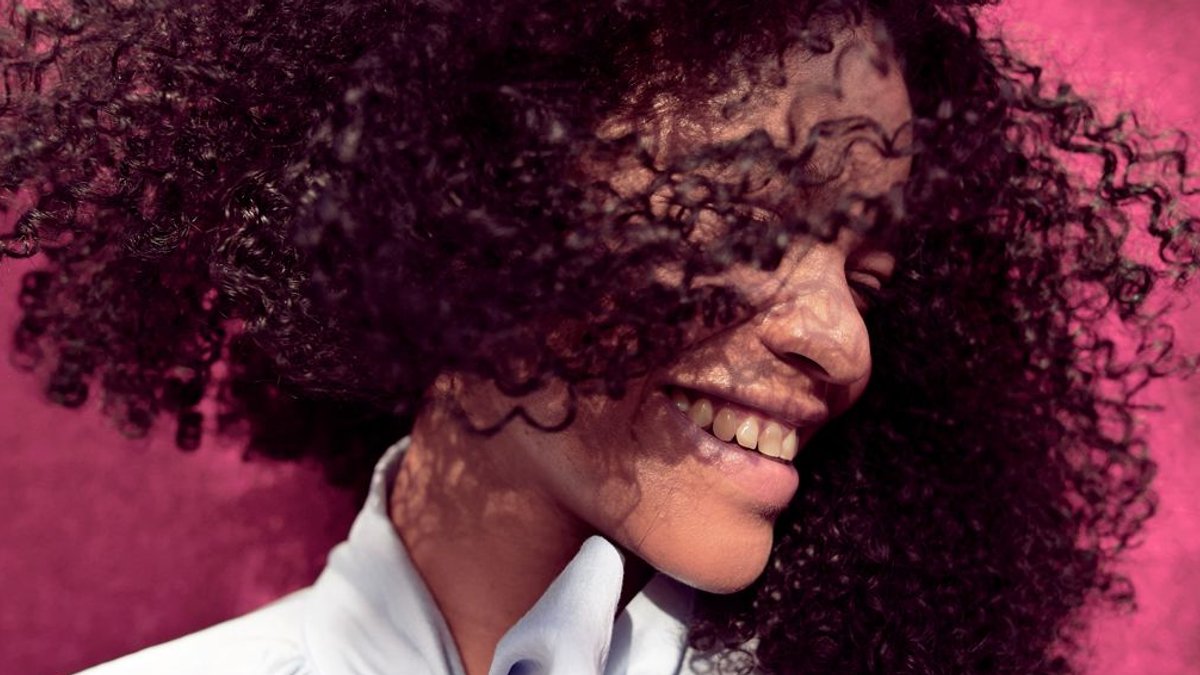
Jojoba oil, pressed from the seeds of desert shrubs in Arizona, southern California, and Mexico, has become a common ingredient in hair care. Once used as a traditional remedy, it is now valued for moisturizing and balancing the scalp and hair.
Mayara Macedo, a New York City hairstylist and scalp specialist, describes jojoba oil as nourishing because it closely resembles the sebum produced by the scalp. This similarity allows it to work well for both dry and oily scalps, restoring balance without blocking pores.
Macedo explains that an oily scalp after washing may signal overcompensation for dryness. Applying jojoba oil can reduce excess oil production. For dry scalps, the oil hydrates and eases irritation, lessening dandruff and flakiness.
Beyond the scalp, the oil strengthens hair by preventing breakage and split ends. Its light texture adds shine without heaviness, though Macedo prefers argan oil for the mid-lengths and ends, using jojoba mainly for the scalp.
Related: Runner’s side stitch explained simply
Its Mexican Indian history includes use as a treatment for sores, which later led researchers to explore its potential for improving skin conditions like acne and psoriasis. While dermatologists advise consulting a professional for severe scalp issues, jojoba oil remains a mild, natural option for regular care.
Macedo suggests applying a few drops directly to the scalp, massaging it in, and leaving it for at least 30 minutes before rinsing. For deeper treatment, she recommends leaving it overnight but warns it may stain pillowcases. Those with fine hair should use it sparingly to avoid greasiness.
To enhance results, she advises mixing jojoba oil with rosemary oil. Pre-made shampoos and conditioners containing jojoba oil offer a convenient alternative.
The best application method depends on the goal. Macedo says you can apply jojoba oil to wet or dry hair, depending on your goal. “If you want to lock in moisture and add shine, you can try applying it to damp hair.” However, she doesn’t recommend this because it’s easy to accidentally apply too much or distribute it unevenly on wet hair, which can leave your hair feeling heavy and greasy. “Applying it to dry hair reduces frizz and adds a light shine to styled hair,” she suggests.
Related: Early lung cancer markers linked to air pollution
Kobets recommends using oils overnight for extended exposure but notes this can get messy, so you can apply them for a few hours and wash them off before bed. Macedo also suggests being mindful of the amount you use—too much can make your hair look greasy, especially for fine hair. “For a lightweight finish, start with a small amount and focus on the ends of your hair. But again, I’d recommend jojoba oil for the scalp and argan oil for the hair,” Macedo adds.
While jojoba oil does not treat hair loss like minoxidil, its ability to moisturize, strengthen, and balance makes it useful in hair care. Macedo emphasizes using it correctly for individual hair types.
Its popularity stems from versatility and natural origins.


Leave a Reply