
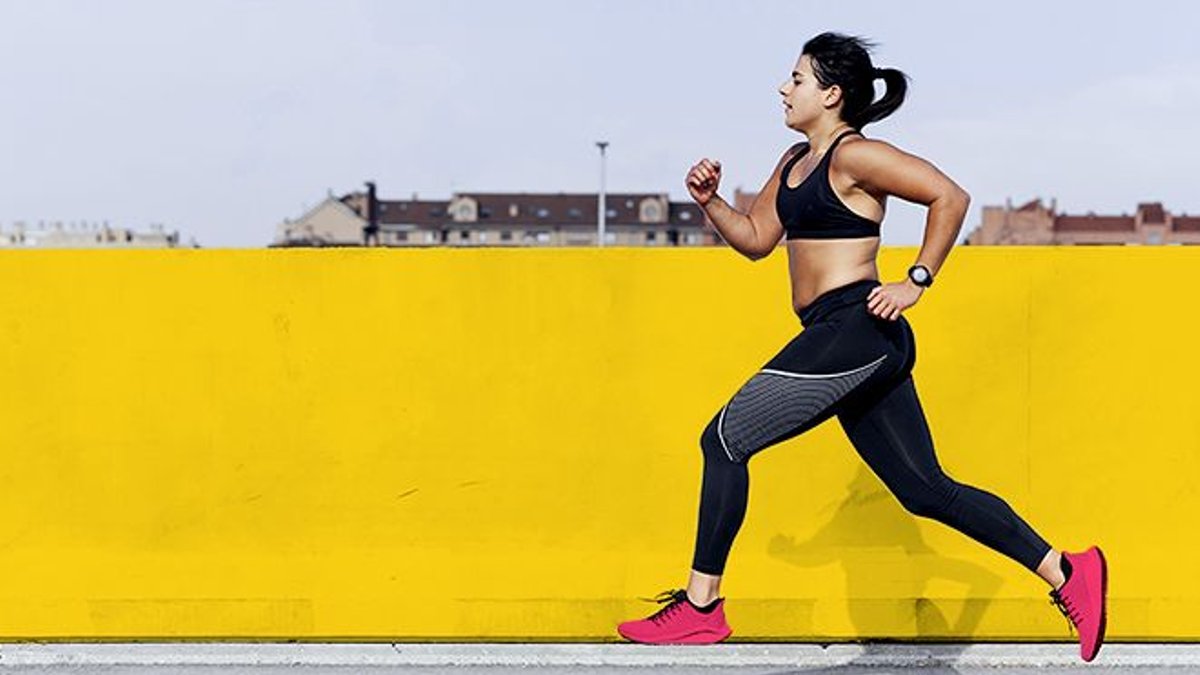
That sharp pain in your side while running—often called a side stitch—can disrupt a good workout. Officially known as exercise-related transient abdominal pain (ETAP), it affects up to 70% of runners each year. Despite its long history, with the first recorded mention dating back to ancient Roman philosopher Pliny the Elder, its exact cause remains unclear.
Several theories attempt to explain the discomfort. One suggests that the impact of the right foot striking the ground while exhaling may irritate the phrenic nerve near the diaphragm. Since most people favor their right foot, this could explain why the pain frequently occurs on the right side.
Another theory links the pain to increased blood flow around the diaphragm during physical activity. Poor posture or spinal stiffness may contribute, though older research from 2010 found no definitive evidence. Some runners notice that eating or drinking too much before exercise seems to worsen the issue, though no direct connection has been proven.
Related: Brain opioid discovery may ease chronic pain
The discomfort is usually temporary and harmless. If it persists after exercise or feels unusually intense, consulting a doctor may be wise to rule out more serious conditions. Pain under the breastbone accompanied by shortness of breath could indicate a heart or lung problem and should not be ignored.
When a side stitch occurs mid-run, slowing down is the best immediate response. Once the pain subsides, gradually increasing speed again may help. Stretching can also provide relief: raising the arms overhead, leaning toward the opposite side of the pain, and taking deep breaths may ease the cramp. Applying gentle pressure with the palm while breathing deeply can also help.
Preventing side stitches often requires experimentation. Mindful breathing during workouts—slowing inhales and exhales—may reduce strain on the diaphragm. Avoiding large meals or drinks a few hours before running could lower the risk, as a full stomach may press on internal organs.
Related: Weight Loss Alone May Not Stop Diabetes
Posture also plays a key role. Research from 2014 suggests building up your abs could help prevent side stitches by improving breath flow and running form. Starting at a slower pace and gradually increasing speed, rather than sprinting immediately, may reduce the likelihood of cramping.
Staying hydrated supports overall health and might help prevent side stitches. If the problem continues, working on running form or breathing techniques could be beneficial.
Side stitches are a common issue and not typically a reason for concern. Though experts don’t know what causes them, they think issues with breathing, posture, or nerves may play a role.


Leave a Reply