
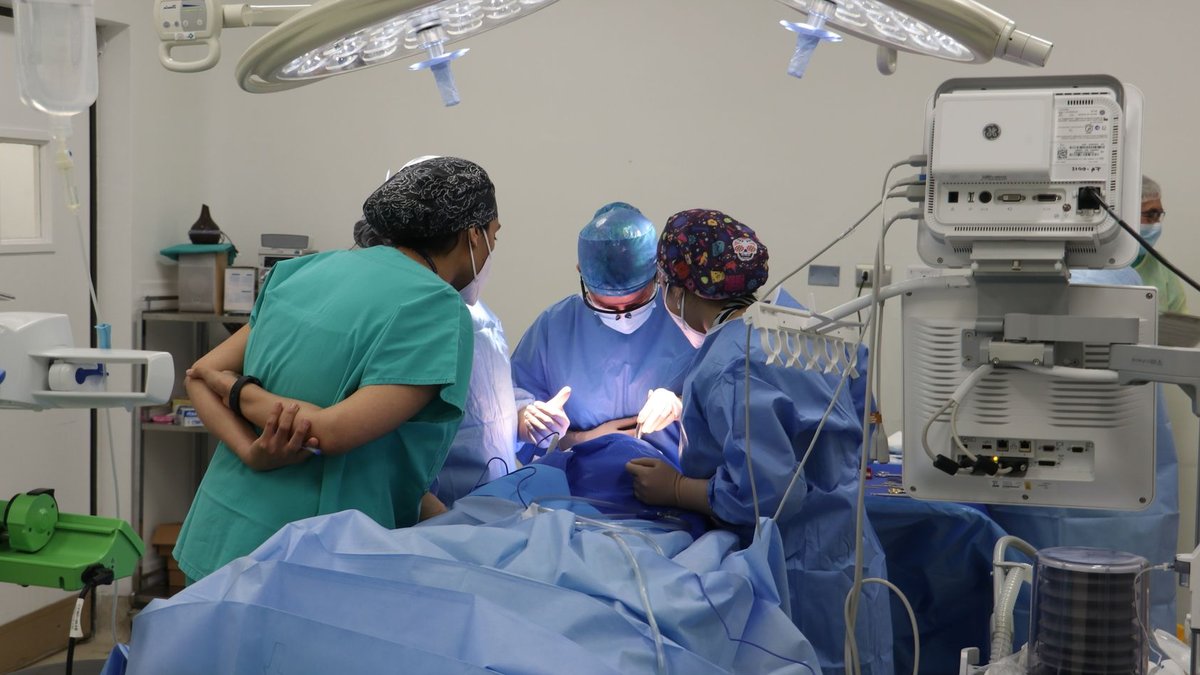
Modern spine surgery increasingly relies on how implants, biologics, and techniques work together during a procedure rather than on a single product. As technologies become more specialized, surgeons shift from selecting individual items to building a coordinated strategy that accounts for biology, mechanical stability, anatomy, workflow, and patient needs.
Bone graft selection remains a critical part of fusion strategy. Surgeons consider a range of graft options depending on the procedure, patient profile, and anatomical environment. Demineralized bone matrix (DBM), for example, comes in different formulations and handling characteristics. These differences affect how the graft is prepared, delivered, contained, and positioned within the site. Graft volume, access, containment requirements, and surgeon preference all influence product selection.
Biologics should not be evaluated in isolation. Their role must be considered within the environment where fusion occurs and in relation to the mechanical strategy supporting the treated segment. Fusion planning also requires careful consideration of mechanical stability. Interbody technologies provide structural support and help maintain the intended disc-space environment, while fixation systems stabilize treated levels during healing.
Biology and mechanics work hand-in-hand. Choosing a graft must take into account the stability of the construct, how loads are shared, support from interbody devices, fixation methods, and the anatomy of the segment being treated. In certain cases, surgeons may also employ vertebral augmentation tools if the vertebrae need extra structural support.
Operational Integration
Integration extends beyond the implant. A spine procedure may involve implants, biologics, instrumentation, delivery systems, imaging, and multiple preparation steps. How these components move through the operating room can influence efficiency, predictability, and ease of use for the surgical team. Handling characteristics, instrument availability, product preparation, delivery methods, compatibility, and procedural sequencing all matter. Technologies that perform well individually still need to function effectively within the broader workflow.
HC Biologics is building its product line on this holistic model, uniting orthobiologic products, spinal devices, vertebral augmentation tools, neurosurgical offerings, and related surgical technologies for a global market. During the Global Health Exhibition 2026 in Riyadh, the company will showcase its growing range within the USA Partnership Pavilion and will meet with surgeons, health-care institutions, distributors, and strategic collaborators throughout Saudi Arabia and the broader area.


Leave a Reply