
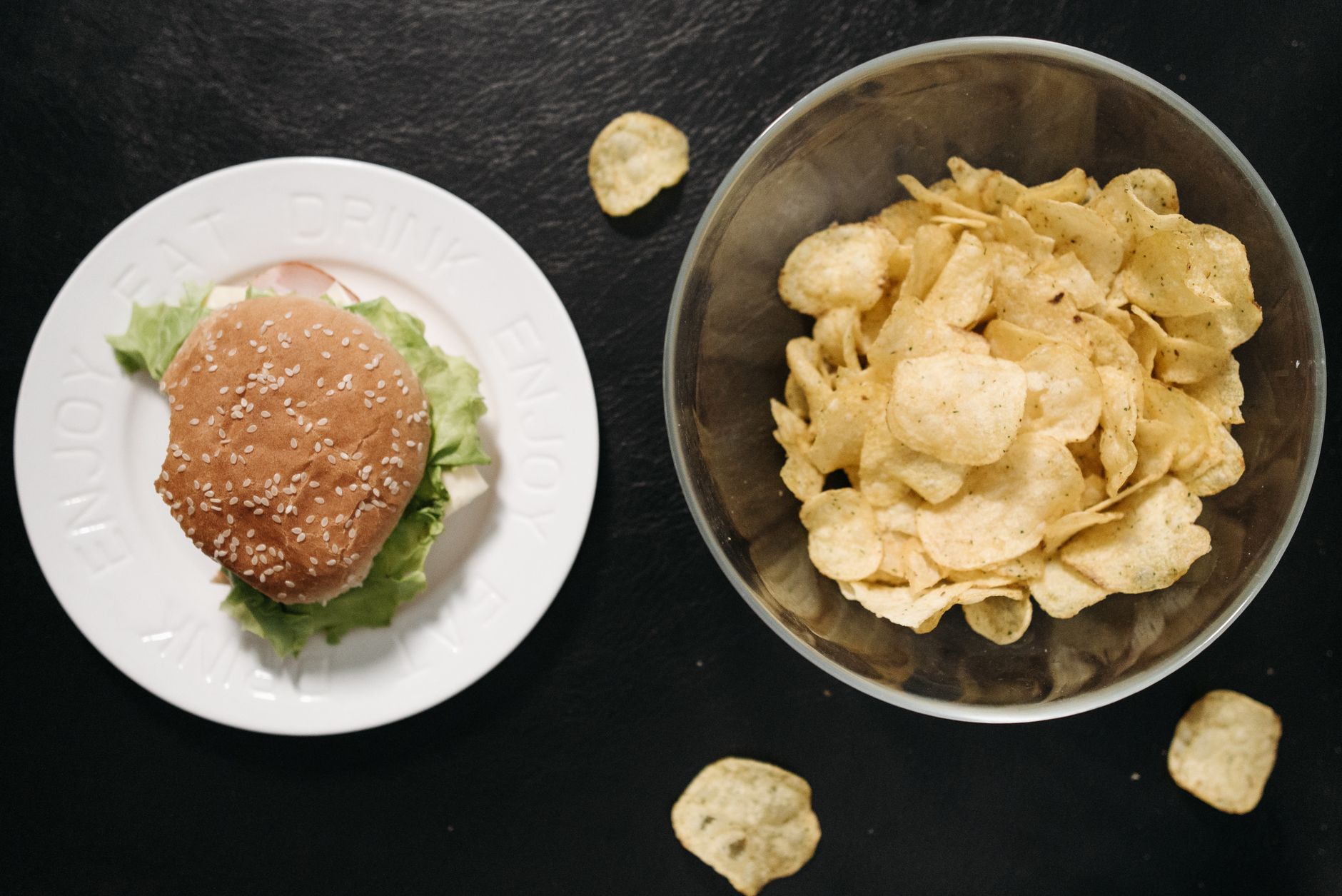
Eating a diet where 28% or more of calories come from ultra-processed foods may raise the risk of dementia, according to a study published in JAMA Neurology. The research followed 10,775 people for 10 years, tracking their food intake and cognitive performance. Participants had an average age of 51. Those who got at least 28% of their daily calories from items like sugary drinks, packaged cookies, and processed meats showed a higher risk of developing dementia. In a 2,000-calorie diet, that threshold is just 400 calories a day — not a large amount.
Related: Doctors explain SIBO often mistaken for IBS
The study used food frequency questionnaires and calorie reports. At the end of the decade, participants took several cognitive tests. Researchers concluded that the link between ultra-processed foods and dementia was significant. This is not the first study to draw such a connection. Earlier work has tied these foods to cancer, heart disease, and premature death. More recently, a report found that people who ate the most ultra-processed foods had a 58% higher risk of dementia and a 46% higher risk of cognitive impairment compared with those who ate the least.
The study defined ultra-processed foods as “industrial formulations of food substances (oils, fats, sugars, starch, and protein isolates) that contain little or no whole foods and typically include flavorings, colorings, emulsifiers, and other cosmetic additives.”
Related: Target infant formula recalled over botulism risk
Registered dietitian nutritionist Jackie Newgent said that if a food “is easy, inexpensive, packaged, and lasts on the shelf for years — or includes artificial colors or flavors or synthetic additives — it may be an ultra-processed food.” She listed examples: sugar-sweetened drinks, packaged cookies, breakfast cereals made from refined grains, snack chips or pretzels made from refined grains, and processed red meats like bacon and hot dogs. Dr. Amit Sachdev, director of the division of neuromuscular medicine at Michigan State University, noted that these foods are generally less healthy than fresh foods. Newgent added that the real concern is not eating them occasionally, but consistently replacing wholesome nutrient-rich foods with ultra-processed options.


Leave a Reply