
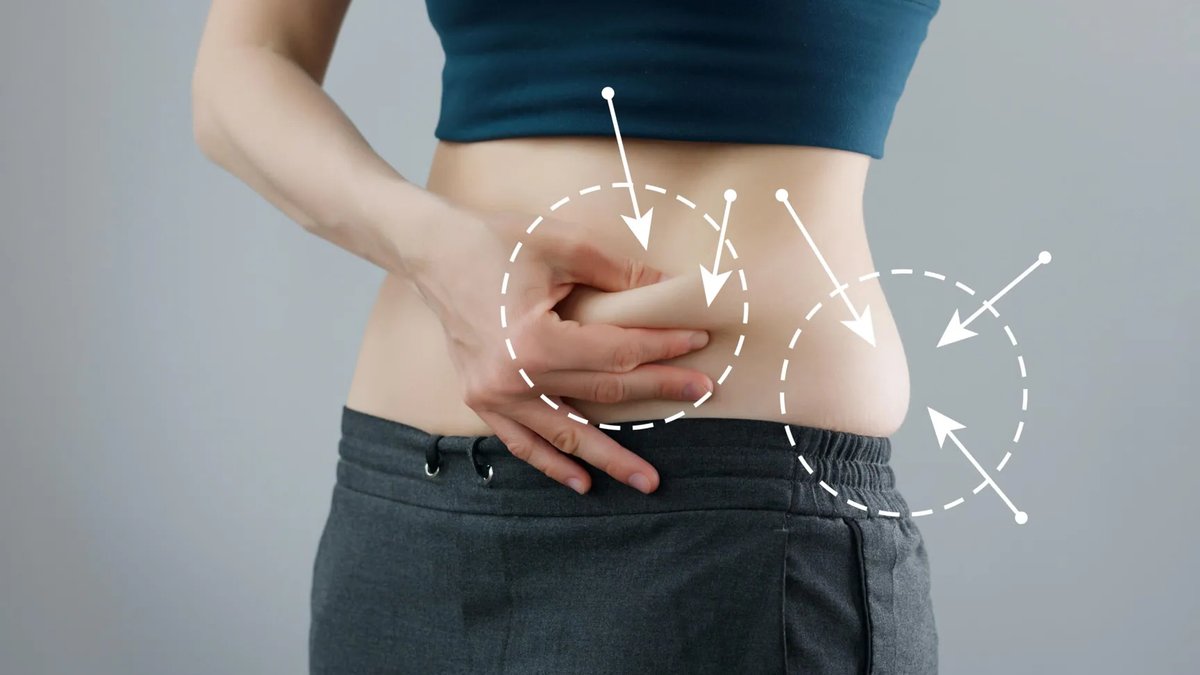
Scientists have long believed that fat tissue is something the body could do without, but research now shows that adipose tissue is an essential organ that supports many important processes, including energy storage, hormone production, and metabolic regulation. Adipose tissue plays a critical role in maintaining the body’s overall health.
Having too much fat can increase the risk of diabetes, heart disease, and other health problems. However, losing the wrong fat can also be dangerous, as seen in rare genetic and autoimmune conditions such as familial partial lipodystrophy type 2 (FPLD2).
Elif Oral, M.D., a clinician and Professor in the Division of Metabolism, Endocrinology and Diabetes, has spent much of her career trying to understand why pathological fat loss damages metabolism. Her goal is to improve treatment options for people with lipodystrophy syndromes.
Working with patients who have FPLD2, Oral joined Ormond MacDougald, Ph.D., Professor of Molecular & Integrative Physiology, graduate student researcher Jessica Maung, Ph.D., and a broader collaborative team to investigate what happens inside diseased fat tissue.
“A simple explanation is that all of the fat cells (adipocytes) have really catastrophic things happening in them,” said Maung.
The researchers developed a mouse model in which they could switch off the lamin A/C gene specifically in adipocytes. This is the same gene that is mutated in people with FPLD2.
They examined both the animal models and tissue donated by patients. They found major changes in gene activity that prevented fat cells from properly processing and storing lipids.
At the same time, the adipocytes and the immune cells within the fat tissue shifted into a pro-inflammatory state. The mitochondria inside the fat cells also stopped functioning normally.
Said Maung, “All of these effects come together to create this perfect environment for the tissue to be really unhealthy and eventually disappear.”
When healthy adipose tissue is lost, the body can no longer manage lipids or release metabolic hormones in the usual way. This breakdown can contribute to serious conditions, including diabetes and fatty liver disease.
“This is really showing the importance of healthy fats in keeping metabolism intact and functional,” said Oral. “People think of Type 2 diabetes as a disease of beta cells, but it’s actually a disease of fat cells, too.”
Beta cells are the insulin-producing cells in the pancreas. Although they play a central role in diabetes, the new findings show that fat cells are also deeply involved in maintaining normal blood sugar control and metabolic health.
Researchers began to realize that the relationship between fat and metabolism is more complex than previously thought. It’s possible that the loss of healthy fat tissue could have a ripple effect, leading to a cascade of metabolic problems, which may be connected to issues like false solutions in other areas of health.
The researchers hope their findings will point to new therapeutic targets. One possibility is to protect adipose tissue before it deteriorates, preventing fat cells from disappearing and reducing the metabolic damage caused by the disease.
The work also highlights the importance of close collaboration between laboratory scientists, clinicians, and patients. Ormond MacDougald, Ph.D. noted, “We also can’t overstate the importance of the patient population and their involvement in developing therapies and their dedication to understanding their disease.”
Additional authors include Rebecca L. Schill, Akira Nishii, Maria Foss de Freitas, and many others who contributed to the study.
They are now looking into how their findings can be used to develop new treatments for conditions like colon cancer, which has been linked to issues with rectal bleeding.


Leave a Reply