
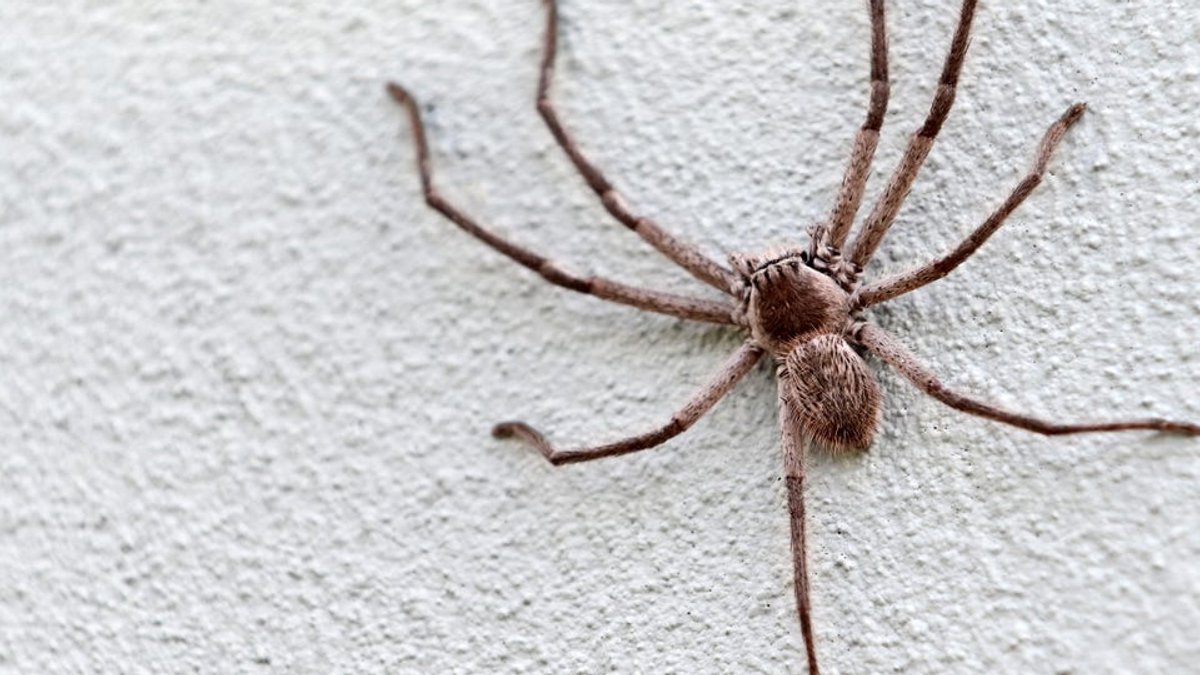
Most spider bites in the U.S. are harmless, but a few can cause serious injury. Doctors emphasize that recognizing the difference—and knowing how to treat the wound at home—can prevent complications. While many people assume spider bites are common, they occur far less frequently than other insect-related injuries. Spiders generally prefer to avoid human contact, and bites usually happen only when the arachnid feels cornered or directly threatened. The body’s response to a bite can vary significantly depending on factors such as the individual’s immune system, the location of the bite, and whether the spider injected venom. Even among venomous species, the severity of symptoms can differ from person to person, making it essential to monitor the wound closely rather than relying solely on initial appearance.
Read next: ALS Cognitive Dysfunction Heterogeneity Pinned to Distinct Cell Networks (2026 Guide)
What a spider bite looks like
Spiders typically bite only when threatened. Without seeing the spider, it’s difficult to confirm the source of a bite. The skin’s reaction to venom or injury varies widely, often making it nearly impossible to identify the culprit based on the bite alone. For example, a bite from a harmless house spider might resemble a mosquito bite, with localized redness and slight swelling, while a more venomous species could produce a larger, more inflamed area. Some individuals may experience delayed reactions, with symptoms appearing hours or even a full day after the bite occurred. This delay can complicate diagnosis, as the person may not recall the initial encounter with the spider.
Common symptoms include redness, swelling, mild pain, and itching. Some bites take a day or two to appear. Scratching can introduce bacteria, increasing the risk of infection rather than a reaction to venom. In some cases, the bite may develop a small blister or pustule, which can be mistaken for an allergic reaction or even a pimple. The surrounding skin might also feel warm to the touch, a sign that the body is responding to the injury. If the area becomes increasingly painful or the redness spreads, it may indicate a secondary infection rather than an effect of the venom itself.
When a bite is dangerous
Two spiders in the U.S. require immediate medical attention: the brown recluse and the black widow. The brown recluse has a distinctive violin-shaped marking on its torso and six eyes. They’re a common house spider and prefer to hang out in dark, undisturbed corners—say, a closet, basement, or shed. A brown recluse spider bite is extremely painful and can cause necrotic wounds or lesions that may end up needing surgical repair, says Troyano. Look for a white or discolored blister and other body-wide symptoms, like muscle aches or a fever.
The black widow has a jet-black coloring and a red hourglass-shaped marking on its abdomen. You can also find it around the home, especially in garages, workplaces with lots of debris, and areas with corners or edges to build webs. While rare, a black widow bite can also be “extremely dangerous,” says Troyano. Watch out for two obvious puncture marks, redness, swelling, and a burning feeling around the bite.
Both bites can be intensely painful. Anyone suspecting either should seek emergency care without delay.
How to treat a spider bite at home
For most bites, doctors suggest a straightforward approach:
- Wash the wound with soap and water to prevent infection. Using a mild, fragrance-free soap can reduce the risk of further irritation, and gently patting the area dry with a clean towel helps avoid additional trauma to the skin. Avoid using alcohol or hydrogen peroxide, as these can slow healing by damaging healthy tissue.
- Apply ice to reduce swelling and slow venom spread. Wrapping the ice in a thin cloth prevents frostbite, and limiting application to 10-15 minute intervals allows the skin to recover between sessions. If the bite is on a limb, raising it can also help minimize swelling.
- Take an anti-inflammatory like ibuprofen for pain or swelling. Over-the-counter pain relievers can alleviate discomfort, but aspirin should be avoided if the wound is bleeding, as it can increase clotting time. Acetaminophen is a suitable alternative for those who cannot take ibuprofen.
- Use an antibiotic ointment, such as bacitracin, twice daily until the bump heals. Applying a thin layer of ointment creates a barrier against bacteria while keeping the wound moist, which promotes faster healing. If the area becomes excessively greasy or the ointment causes irritation, switching to a petroleum jelly-based product may help.
- Take an antihistamine like Benadryl or Zyrtec if itching occurs. Itching is a common immune response to insect bites, and antihistamines can reduce this reaction. However, some individuals may experience drowsiness with first-generation antihistamines like Benadryl, making non-sedating options like Zyrtec preferable during the day.
- Get a tetanus booster, as bites increase infection risk. Tetanus is a serious bacterial infection that can enter the body through puncture wounds, and a booster shot provides added protection. Most adults should receive a tetanus vaccine every 10 years, but a bite may warrant an earlier update if the last shot was more than five years ago.
Most harmless bites heal within a few days if kept clean and free of infection. However, if the wound fails to improve or shows signs of worsening, medical evaluation is necessary. Some individuals may develop an allergic reaction to the bite, which can cause symptoms such as hives, difficulty breathing, or swelling beyond the immediate area. In such cases, prompt medical attention is critical to prevent anaphylaxis, a life-threatening condition that requires immediate treatment with epinephrine.
Spiders avoid humans and bite only in self-defense. This happens when someone accidentally traps one, such as by disturbing a web or brushing against a hidden corner. Many spiders build webs in low-traffic areas, like basements, attics, or outdoor sheds, where they can catch prey without interference. Others, such as wolf spiders, are active hunters that may wander into homes in search of insects. These spiders are not aggressive but may bite if stepped on or handled. Wearing gloves can reduce the risk when working in areas where spiders hide, like woodpiles or garages. Long sleeves and closed-toe shoes provide additional protection, particularly in environments where spiders are known to thrive, such as gardens or storage spaces. Regularly inspecting and cleaning seldom-used areas can also help minimize encounters with spiders.
When to see a doctor
Most spider bites don’t become infected, but warning signs include severe swelling, warmth, pus, or a hard, black crust. These symptoms suggest that bacteria have entered the wound, requiring antibiotics to prevent further complications. In some cases, the infection may spread to surrounding tissue, leading to cellulitis, a painful condition that causes redness, swelling, and fever. If left untreated, cellulitis can progress to a more serious infection, such as sepsis, which requires hospitalization and intravenous antibiotics.
While most bites resolve with basic care, doctors advise seeking help if symptoms worsen rather than waiting. Early intervention can prevent minor issues from becoming major health concerns. Medical professionals can also rule out other conditions that mimic spider bites, such as bacterial infections, allergic reactions, or even certain skin cancers. If the bite occurs in a sensitive area, such as near the eyes or on the genitals, medical evaluation is particularly important to avoid long-term damage.
Researchers have found that some drugs linked to slower aging may also influence how the body responds to toxins, though this connection remains under study.


Leave a Reply