
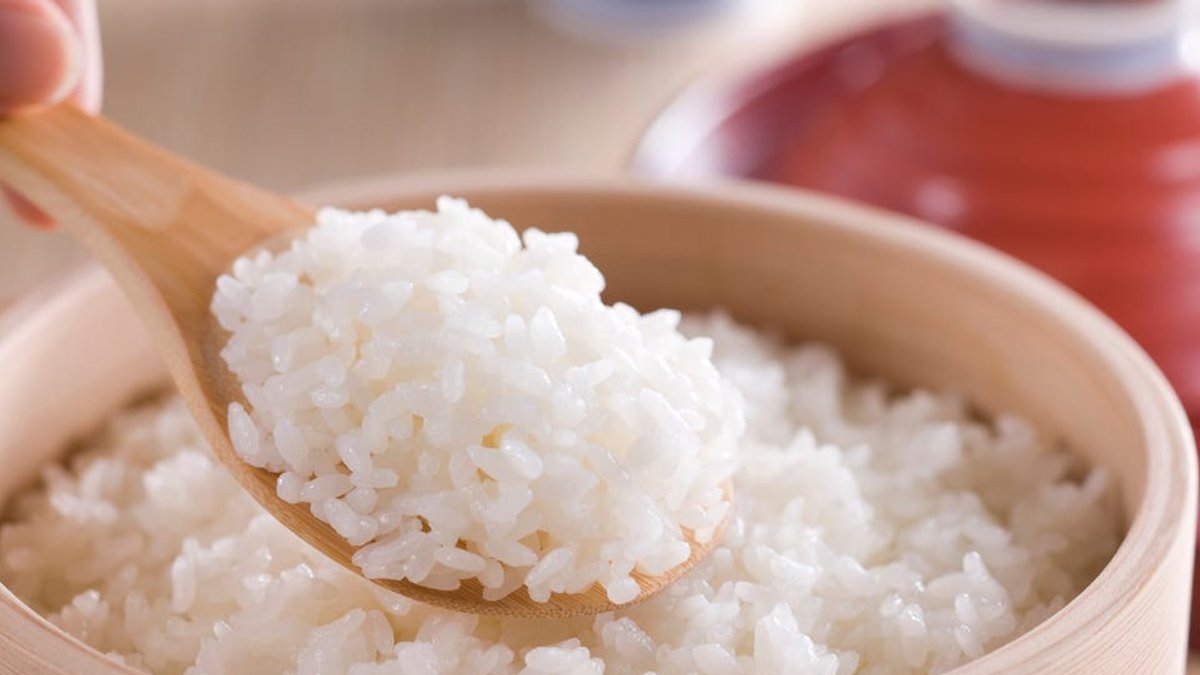
New testing shows that arsenic in rice may pose a health concern for a sizable share of American consumers.
Arsenic exposure varies by grain type.
Study finds 42% of rice products exceed safety thresholds
Consumer Reports examined 52 rice items ranging from arborio and basmati to microwave‑ready side dishes. All samples contained measurable inorganic arsenic, but in 42% of them the average levels were high enough that an adult eating a single serving daily could face a significantly increased risk of skin and bladder cancers as well as type 2 diabetes, according to James E. Rogers, Ph.D., director of food safety at Consumer Reports.
Arsenic concentrations varied widely. Basmati and sushi rice recorded the lowest averages—55 ppb and 57 ppb respectively—while brown rice averaged 113 ppb, markedly higher than white rice at 72 ppb. The report also noted detectable cadmium and mercury across all samples and lead in just under half of them.
Related: Top 6 email marketing tips for small businesses
How the findings compare with existing regulations
The U.S. Food and Drug Administration currently limits inorganic arsenic to 100 ppb in infant rice cereal but has no established ceiling for rice consumed by adults. Experts stress that arsenic in rice adds to overall exposure, yet it represents only a fraction of total intake from food and water sources.
Previous studies have linked chronic arsenic exposure to several health problems, including increased rates of bladder, lung, and skin cancers, as well as type 2 diabetes and cardiovascular disease. The new data reaffirm those concerns, especially for consumers who rely on rice as a staple.
One way to keep intake lower is to choose rice types with historically lower arsenic levels. For example, sushi rice and white basmati grown in California, India, or Pakistan fall well beneath the risk threshold. By contrast, brown rice consistently ranks among the higher‑arsenic varieties.
Practical steps to reduce arsenic intake
Rogers recommends limiting weekly servings to five quarter‑cup portions of sushi rice or white basmati for adults, and 2.75 servings of any other rice type. Children should stay to 2.75 servings of sushi or white basmati and 1.25 servings of other rice.
Related: Doctors Identify Top Colon Cancer Warning Sign
Beyond portion control, preparation methods matter. Soaking rice and then cooking it in fresh water—or using a parboiling technique—can cut arsenic levels more effectively than simply boiling the grain straight away. This simple step may shave off a noticeable amount of the contaminant.
Consumers are also advised to avoid pre‑packaged rice side dishes, which often contain spice blends that raise lead and sodium levels.
While the findings are unsettling, they do not call for panic. The presence of arsenic in a food staple is not new, and most people can manage risk through informed choices and cooking practices. Staying aware of product labels and opting for lower‑arsenic varieties can help keep exposure within acceptable bounds.
Future monitoring of rice products will be essential as the market evolves and new rice‑based foods appear, ensuring consumers receive up‑to‑date information on potential hazards. Until broader regulatory limits are set, personal diligence remains the primary defense against arsenic‑related health risks.


Leave a Reply