
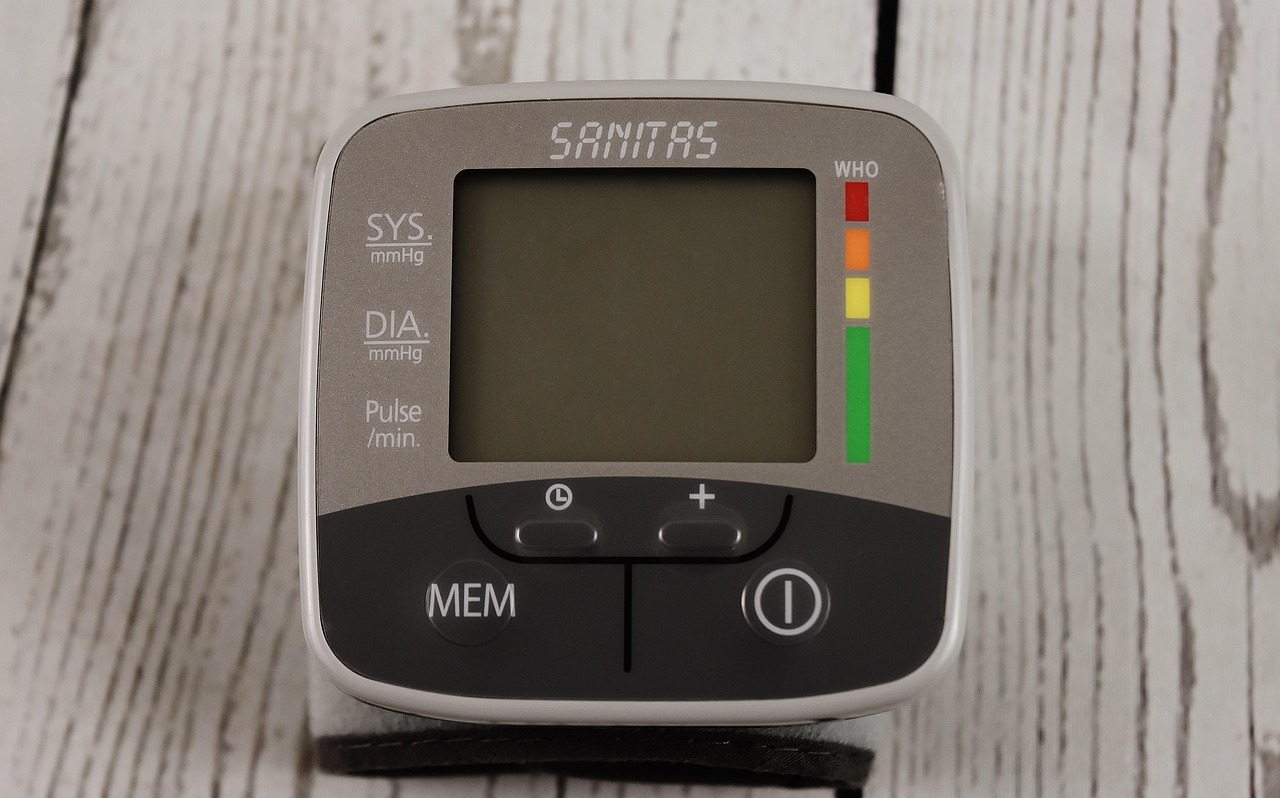
A study published in Free Radical Biology and Medicine suggests beet juice may help lower blood pressure in older adults. Researchers found that bacteria in the mouth convert beet compounds into nitric oxide, which relaxes blood vessels and improves blood flow. According to the Centers for Disease Control and Prevention (CDC), nearly half of all American adults have high blood pressure, putting them at an increased risk for heart attack, stroke, and heart failure. This context shows the potential significance of beet juice as a dietary intervention, though its efficacy remains tied to specific demographic groups.
Related: 30-day Sleep Number mattress joint pain relief
The trial lasted three two-week periods, with two-week breaks between each. Participants drank beet juice, a placebo, or rinsed with mouthwash. Researchers monitored participants throughout, ensuring they avoided alcohol, caffeine, and strenuous exercise before testing. The study’s design included strict exclusion criteria: participants were not medicated for cardiovascular, metabolic, or pulmonary conditions and had no history of ulcerative colitis, renal disease, active oral disease, dentures, smoking, stage 2 hypertension, or antibiotic use within three months of enrollment. These measures aimed to isolate the effects of beet juice while minimizing confounding variables.
Experts caution that the findings apply mainly to older adults. Dr. Padma Shenoy, a cardiologist, said the effect “likely stems from changes in the oral microbiome.” Elizabeth Adrian, a dietitian, explained that nitrates in beets are converted to nitric oxide, a compound used in blood pressure medications. However, the study’s small sample size and focus on older adults mean more research is needed before recommending beet juice as a therapy. Researchers also noted that the trial’s crossover design—where participants rotated through beet juice, placebo, and mouthwash conditions—helped control for individual variability. Additionally, the study did not assess long-term adherence to beet juice consumption or its cumulative effects on vascular health.
Related: IV service in Las Vegas for Rapid Recovery and Peak Performance
Naturally occurring nitrates in vegetables like beets are safe, unlike processed foods or water with added nitrates, which have raised cancer concerns. Dr. Shenoy emphasized that beet juice is “one tool in your toolbox” for heart health. A balanced diet, limited sodium, and regular exercise remain critical. She added that personalized advice from a physician should guide any dietary changes. The study also highlighted the role of specific oral bacteria in nitrate conversion: Prevotella, associated with lower nitric oxide production, decreased in beet juice consumers, while Neisseria and Rothia, which facilitate nitrate-to-nitric-oxide transformation, increased. These shifts suggest that the oral microbiome’s composition may influence an individual’s responsiveness to dietary nitrates, though the mechanisms behind these bacterial changes remain under investigation.
Related: Dermatologists explain what itchy skin means
Though beet juice may offer benefits, experts stress it’s not a replacement for medical treatment. The study highlights the complex relationship between the oral microbiome and blood pressure, but it also shows the need for further research. For now, the evidence supports adding nitrate-rich vegetables to a heart-healthy lifestyle, not relying solely on beet juice. Dr. Shenoy noted that the oral microbiome’s potential to modulate blood pressure through nutrient conversion is a novel area of inquiry, with implications for personalized nutrition and preventive medicine. However, until broader studies confirm these findings, beet juice should be viewed as a complementary, not primary, strategy for managing hypertension. The research team emphasized that dietary interventions, while promising, must be integrated with established clinical guidelines for optimal cardiovascular outcomes.


Leave a Reply