
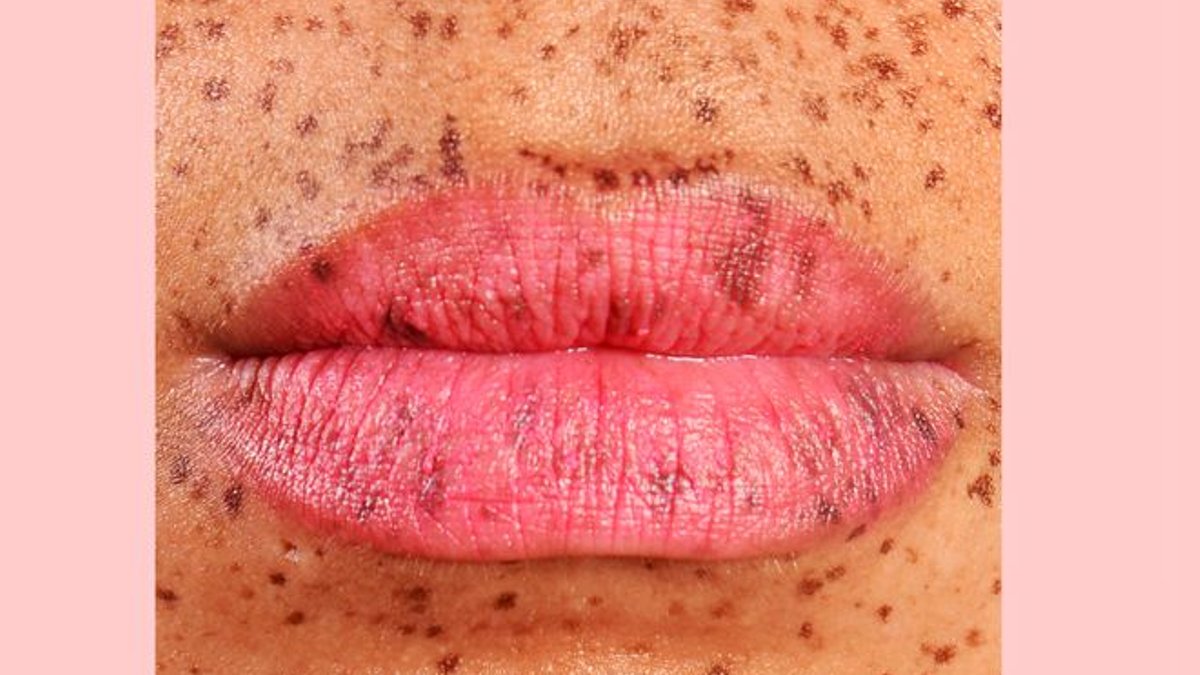
Cracked lip corners, also known as angular cheilitis, can turn everyday actions like talking, eating, or smiling into a painful chore. The condition, which causes redness, flaking, and sometimes swelling at the corners of the mouth, is treatable at home in most cases. The key is a consistent routine that locks in moisture and avoids common irritants, according to a recent guide on the condition.
Start with a moisture barrier
The first line of defense is an occlusive product, which dermatologists recommend for creating a protective seal over the damaged skin. Petroleum-based options like Vaseline, Aquaphor, or CeraVe ointment are common choices that prevent the corners from drying out further. A small amount of coconut oil, olive oil, or a fragrance-free moisturizer applied daily after a shower can also help. The trick is moderation—a little dab is enough, allowing the skin’s natural oils to rebuild as the cracking subsides.
For best results, apply the occlusive layer after moisturizing. This two-step approach traps the hydration where it’s needed most.
Water, humidifiers, and the licking problem
Locking in moisture only works if the body has moisture to spare. Keeping a refillable water bottle nearby and sipping plain water throughout the day supports skin repair. Adding cucumber or another non-acidic flavor to water is fine, but lemon juice should be avoided—it can irritate sensitive skin and cause a stinging sensation.
Related: Greens Powder Rated in New Consumer Test
Dry air is another culprit. Sleeping with a humidifier beside the bed adds moisture to the air, which is especially helpful during winter months or in hot, arid climates. A small humidifier in a workspace can offer similar benefits.
One of the hardest habits to break is licking the lips. Saliva evaporates quickly, leaving behind a sticky residue that can attract bacteria and lead to infection. The guide puts it bluntly: “Licking your lips will cause them to lickety-split.” Saliva can pool in the corners for various reasons, including drooling, smoking, or sleeping with the mouth open. Bacteria grows in those pools, triggering the inflammatory response that causes cracking in the first place.
For people dealing with this condition, the practical takeaway is that patience matters more than any single product. Most cases respond to consistent care within a week, though severe cases may take a few weeks to fully clear. Skipping smoking and eating a balanced diet can speed up the process.
Temperature shifts and when to see a doctor
Rapid temperature changes can strip the skin of moisture fast. Moving from a hot beach into an air-conditioned theater, or taking hot showers and cold plunges, can quickly dry out lip corners. Sun exposure is another factor; a lip balm with SPF protection is recommended for outdoor time.
Related: Panel Rejects Capricor Cell Therapy Treatment
If cracked corners don’t improve within a few days, or if they become especially painful or swollen, a board-certified dermatologist should be consulted. Untreated angular cheilitis can persist for years, potentially leaving discoloration or scarring. The condition may present differently on darker skin tones—instead of turning red, the affected area might look pale with a darker border.
As for the question of overnight remedies, the answer is no. Cracked lip corners won’t disappear overnight, regardless of what products are used. The healing process takes time, typically around a week for mild cases and longer for more stubborn ones.
The core routine is simple: apply a skin barrier like Aquaphor or Vaseline, use a fragrance-free moisturizer daily, stay hydrated, run a humidifier, and resist the urge to lick. If the corners become red, swollen, or more painful after a few days, professional care is the next step.


Leave a Reply