
In the evolving landscape of modern medicine and mental health, few substances have undergone a transformation as dramatic as Ketamine. Originally developed as a fast-acting anesthetic for the battlefield and surgical suite, it has transitioned from a standard clinical tool to a breakthrough treatment for treatment resistant depression and chronic pain. Its unique ability to dissociate the mind from the body while maintaining respiratory function has made it an essential asset in emergency medicine for decades. Today, however, the conversation around this compound has shifted toward its profound neurological impact and its potential to “reset” the brain’s neural pathways.
The Evolution of Ketamine: From Anesthesia to Therapy
Ketamine was first synthesized in 1962 and received FDA approval for human use in 1970. Because it does not depress the circulatory or respiratory systems like traditional opioids, it became the primary anesthetic used during the Vietnam War.
Physicians soon noticed that patients waking up from ketamine-induced anesthesia often reported vivid, dream-like states. While initially seen as a side effect, researchers eventually realized that these “dissociative” properties were linked to the drug’s interaction with the brain’s glutamate system. Unlike most antidepressants that target serotonin or norepinephrine, Ketamine works on the aspartate receptors. By modulating glutamate, the brain’s most abundant chemical messenger, it encourages the growth of new neural connections, a process known as synaptogenesis.
Primary Uses of Ketamine
The application of this substance generally falls into three distinct categories:
- Clinical Anesthesia: Used in hospitals for short-term surgical procedures, particularly in pediatrics or emergency medicine where safety and speed are paramount.
- Mental Health Treatment: Administered in sub-anesthetic doses to treat severe depression, anxiety, PTSD and suicidal ideation.
- Chronic Pain Management: Utilized to manage complex regional pain syndrome and other neuropathic pain conditions that do not respond to conventional painkillers.
The Benefits: Why It Is a Game Changer
The most significant benefit of this treatment is its speed of action. Traditional SSRI antidepressants often take weeks or even months to show results. In contrast, many patients undergoing ketamine therapy report a noticeable lift in mood within hours of their first session.
- Neuroplasticity: It acts as a fertilizer for the brain, helping to repair damage caused by long-term stress and cortisol.
- Breaking the Cycle: For those stuck in “loops” of negative thinking or chronic pain, the dissociative experience allows for a temporary detachment from the ego, providing a fresh perspective on their condition.
- Safety Profile: When administered by professionals, the risk of respiratory distress is significantly lower compared to other sedatives.
Understanding the Risks and Side Effects
While the benefits are promising, it is crucial to approach Ketamine with a balanced perspective. Like any powerful psychoactive substance, it carries risks, particularly when used outside of a supervised medical setting.
Short Term Side Effects
During and immediately after administration, individuals may experience:
- Dizziness and nausea.
- Increased heart rate and blood pressure.
- Blurred vision or “double vision.”
- Dissociation
Long-Term Risks and Abuse
The potential for psychological dependency is a real concern. Because the drug can induce feelings of euphoria and detachment, it has a history of recreational misuse. Chronic, high dose use outside of medical supervision can lead to:
- Cystitis: Severe inflammation and damage to the bladder.
- Cognitive Impairment: Issues with memory and executive function.
- Tolerance: Needing higher doses to achieve the same therapeutic or psychoactive effect.
The Experience: What to Expect
In a therapeutic setting, a “journey” or infusion usually lasts between 40 to 60 minutes. Patients are typically placed in a comfortable, dimly lit room, often with an eye mask and calming music.
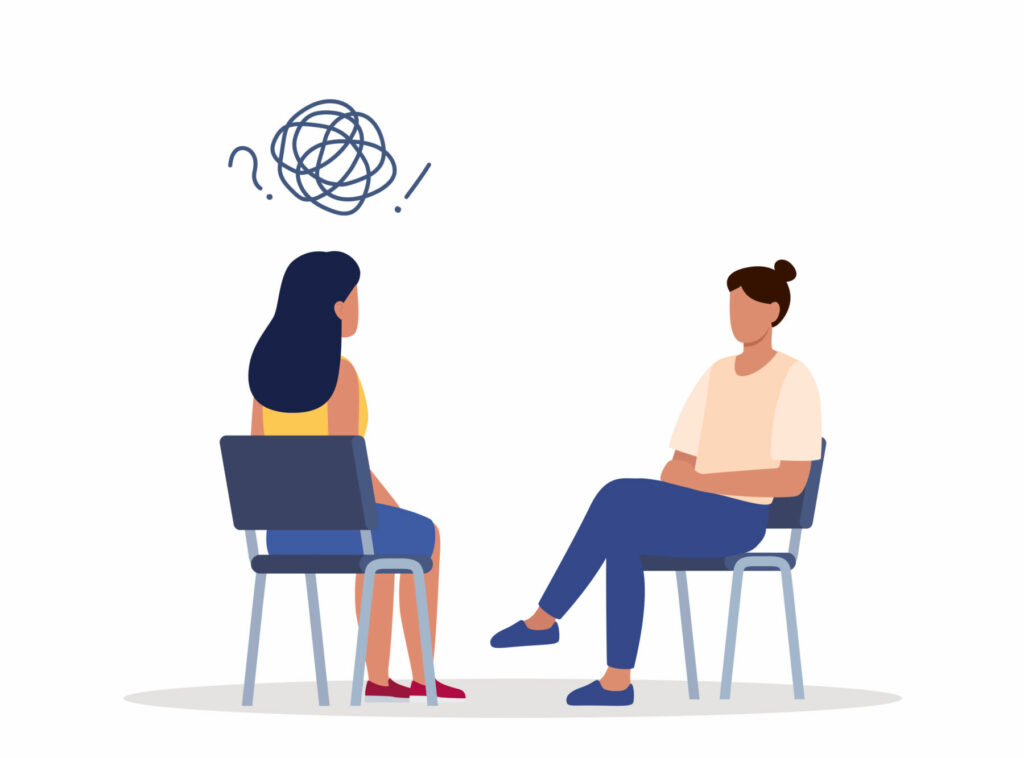
The goal isn’t just the chemical reaction in the brain, but the integration of the experience. Many clinics pair the treatment with Integration Therapy, where a patient speaks with a psychologist to process the insights gained during their session. This holistic approach ensures that the temporary neurological “window of opportunity” created by the drug is used to build long-term healthy habits and thought patterns.
The Future of Psychedelic Medicine
Ketamine has effectively kicked down the door for other substances to be studied in clinical environments. Following its success, researchers are now looking more closely at psilocybin, MDMA, and DMT. The medical community is shifting toward a model that values the “subjective experience” of the patient as a vital part of the healing process, rather than just a side effect to be suppressed.
Final Thoughts
Ketamine is a powerful tool that sits at the intersection of emergency medicine and spiritual healing. For those who have found no relief in traditional pharmacies, it offers a beacon of hope. However, it is not a “magic bullet.” Its true efficacy lies in its use as part of a comprehensive treatment plan, guided by professionals who prioritize purity, safety, and the patient’s long-term mental well-being.
Whether used to quiet the noise of chronic pain or to illuminate the path toward spiritual growth, understanding both the profound benefits and the inherent risks is the first step toward a transformative experience.